


Every few years, we relearn the same hard truth: water remembers where it’s been. In eastern North Carolina, that memory runs deep — through the Tar and Neuse Rivers, across once-fertile floodplains, and into the neighborhoods that shoulder the cost of every so-called “hundred-year storm.”
The Washington Post recently described how the sky itself is changing. As the atmosphere warms, it now carries more water than at any other point in recorded history — “rivers in the sky,” they called it. These invisible currents are growing stronger, feeding storms that are wetter, slower, and more punishing. Each one carries the weight of a climate system made unstable by decades of carbon excess.
Here at home, we don’t need a national headline to tell us what that looks like. It’s the church that floods twice a year. The grandmother whose insulin goes bad after another power outage. The downtown blocks still boarded up from the last storm before the next one arrives.
But this isn’t just a story about weather — it’s a story about structure. About how climate, infrastructure, and inequality converge in the same ZIP codes. It’s about grids built for a past that no longer exists, and communities asked to survive a future they didn’t create.
That’s why resilience in eastern North Carolina must mean more than recovery. It means re-engineering the systems beneath our feet and above our heads — from energy to drainage, from broadband to emergency power — so that when the next storm comes (and it will), we don’t just survive it. We outlast it.
Greening the Grid Is a Matter of Survival
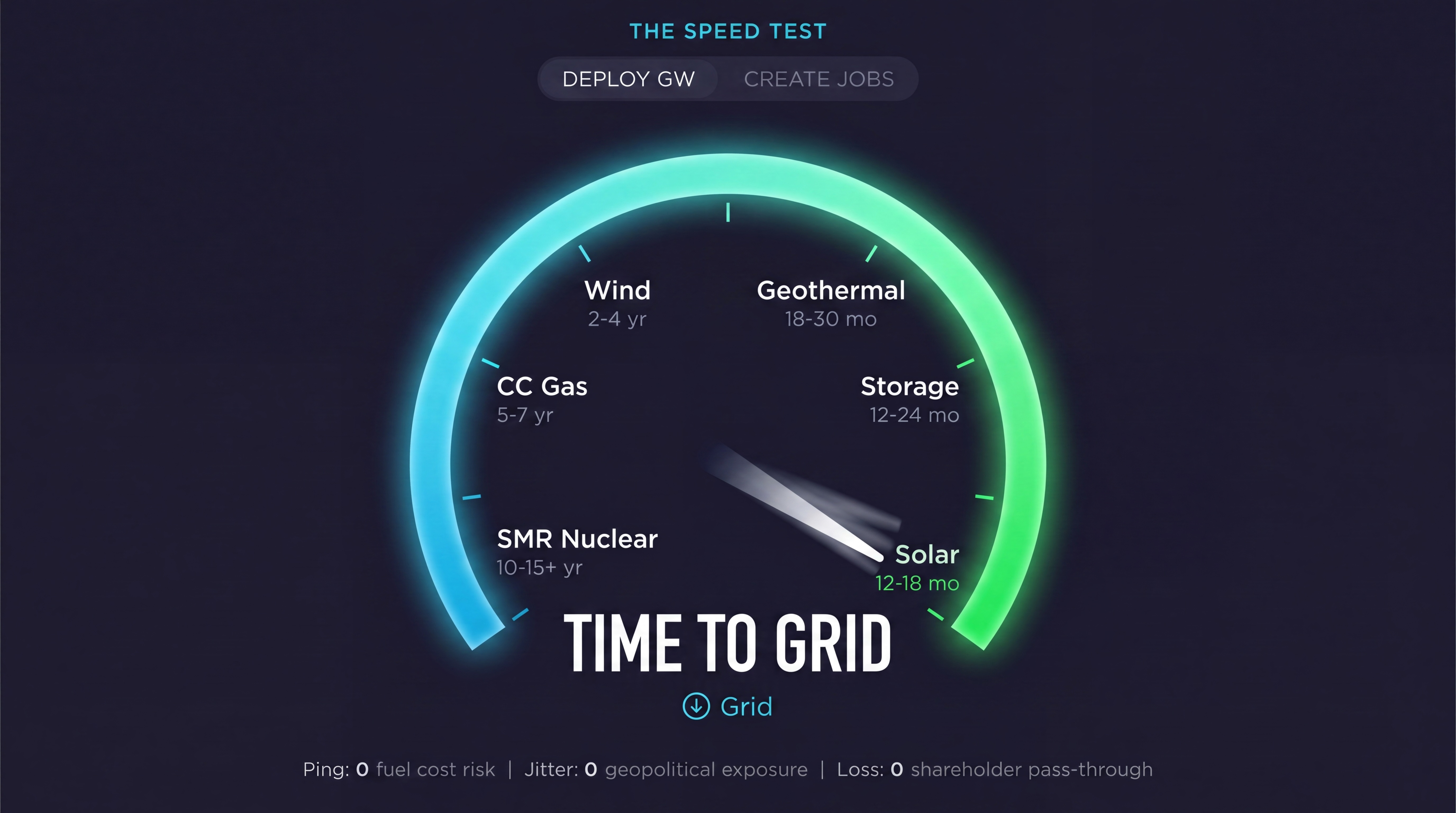
If our skies are carrying more moisture, our grid must carry more hope — and more renewable electrons. Solar + storage systems, microgrids, and municipal-scale resilience hubs are not luxuries; they are lifelines. They keep the lights on at community centers, power pumps when floodwaters rise, and give families a fighting chance to stay safe in their own homes.
The work ahead isn’t about fear — it’s about opportunity. Every solar array on a school roof, every underground power line, every trained young person who finds work in clean energy is a small act of defiance against the idea that rural places must remain vulnerable.
A Just Transition for a Just Region
Our history reminds us that vulnerability has never been random. It’s mapped along the same boundaries that once marked who could vote, who could own land, who could build wealth. So as we invest in climate resilience, we must also invest in justice — in ownership, participation, and the right to shape our own future.
Because resilience isn’t just measured in megawatts or stormwater capacity. It’s measured in how equitably we distribute safety, opportunity, and dignity.
So let’s build the kind of grid — and the kind of governance — that holds when the skies open up. Let’s design a North Carolina where “rivers in the sky” no longer translate into rivers through our living rooms.
If the storms are growing stronger, so must we. And strength, for us, looks like clean energy, shared power, and the unwavering belief that every community — from Enfield to Kinston to the coast — deserves not just to recover, but to thrive.
This analysis draws on recent research from the Washington Post examining atmospheric moisture hotspots and their connection to deadly flooding events. For communities already bearing the heaviest burden of climate impacts and historical disinvestment, the transition to resilient, clean energy systems isn’t optional. It’s existential. And it must center equity from the beginning.
A new Washington Post investigation reveals where climate change has supercharged the movement of moisture through the skies.


Leave a Reply