
The true coalition leading the renewable energy transition

Emanating from the ethos of Psalm 30:5, the phrase “Trouble don’t last always” is more than a saying in the African American tradition of the South: it’s a theology of survival, a promise whispered in cotton fields and shouted in sanctuaries, a bedrock certainty that no matter how dark the night, morning comes. From Sam Cooke and the Soul Stirrers to Reverend Timothy Wright, their rich gospel paeans echoed the knowledge, born of experience, that oppression cannot hold back progress indefinitely. That truth has a power all its own.

As in so many spaces in American life, once freed from the grievance-driven rage of self-destructive brinkmanship, we find ourselves in such a night now: in the clean energy transition.
This week, I’ve spoken with partner organizations across Eastern North Carolina and beyond about the renewable energy work we’re doing together. The conversations have been sobering but clarifying. This administration is deploying every tool at its disposal (lies, disinformation, regulatory sabotage) to block the transition to clean energy. Federal programs that were lifelines for rural communities have been terminated. The message is clear: they want us to give up.
But here’s what they cannot stop: Economics. Technology. Momentum.
The Transition That Cannot Be Undone
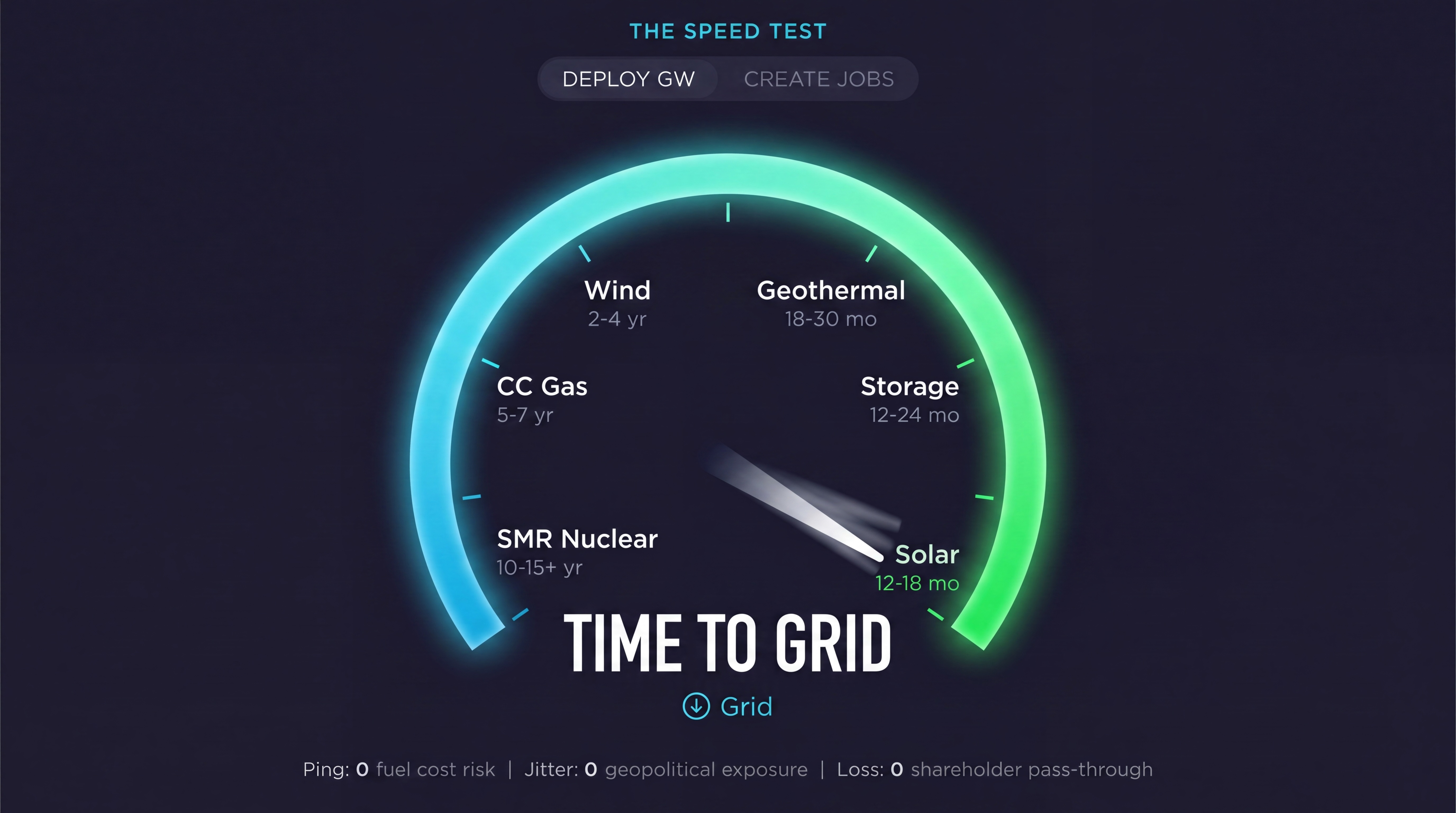
Too many investments have been made. Too much capital has flowed. Too much infrastructure has been built. Solar, wind, and geothermal energy are not political positions; they are simply more efficient technologies and more cost-effective solutions than the fossil fuel systems they’re replacing. This isn’t ideology. It’s mathematics.
Utilities know it. Investors know it. Rural electric cooperatives trying to keep rates stable know it. Even the coal and gas companies know it, which is why they’re fighting so desperately to slow what they cannot stop.
The renewable energy transition is going to move forward. Not because of any administration’s policies, but in spite of them. Because the economics are irrefutable and the technology works.
Those Who Stayed and Those Who Left
But here’s what will also be remembered: who stayed and who left.
There are organizations that came to this work when the Inflation Reduction Act made it easy and profitable. When federal dollars flowed freely and political winds were favorable, they were eager partners. Now, when the going has gotten hard, they’ve gone quiet. They’ve folded up their programs. They’ve moved on to easier work.
And then there are the organizations that understand what “trouble don’t last always” means in practice.
The ones who know that community resilience isn’t built in fair weather. The ones who see rural communities not as markets to exploit when convenient but as neighbors to serve in all seasons. The ones who are digging in now, finding new funding sources, building new partnerships, and continuing the work because it was never about a single administration’s policies. It was about building power and wealth and self-determination in communities that have been extractively exploited for too long.

These organizations—the ones who did not bow to the pressure, who did not mistake a setback for a defeat, will be well-positioned to move forward when this policy environment changes. And it will change. It always does.
The Work Continues
In northeastern North Carolina, we’re moving forward with community solar. In the Sandhills, weatherization work continues. Across the Black Belt of the South, we’re building the infrastructure and relationships that will outlast any administration. We’re finding funding from unique programs, philanthropic partners, and regional partnerships that don’t depend on federal whims.
We’re doing this because we know trouble don’t last always. We’re doing this because our communities need energy that serves them, not utilities that extract from them. We’re doing this because the technology works, the economics work, and the future belongs to those who build it.
When the policy environment shifts (and it will), there will be two groups: those who kept building, and those who gave up. Those who understood that resilience means continuing the work precisely when it’s hard, and those who were only ever along for the ride.
History has a long memory. And so do communities.
Morning Comes
In the spirit of Black History Month, we should reflect on the ancestors, those who knew something about waiting through the night. They knew about doing the work when the work was hard. They knew about building for a future they might not see but trusted would come.
The renewable energy transition will continue. Not because any president allows it, but because the sun still rises, the wind still blows, and the earth still holds its heat. Because efficiency and economics are stronger than executive orders. Because community wealth retention is a more powerful force than extraction.

Trouble don’t last always.
Morning comes.
And when it does, we’ll be here, still building, still serving our communities, still committed to the work. Not because it was easy, but because it mattered.
Those who stood with us in the darkness will be remembered. So will those who didn’t.


Leave a Reply